A roof rarely fails all at once. It tells a story in soft spots along the decking, granule piles near the downspouts, curled shingles on the sun side, and flashing that lifted after the last windstorm. The inspection is your chance to translate that story into a clear plan and a fair price. The most effective way to do that is to ask focused, practical questions that reveal how the roofing contractor thinks, what they see, and how they’ll manage risk on your property.
I have walked more than a thousand roofs with homeowners. The best outcomes don’t come from spotting every flaw on the first pass; they come from disciplined questions that convert observations into decisions. Below is the framework I use on site, along with the questions that surface competence, honesty, and fit. You do not need to pepper a contractor with every one of these. Choose the ones that match your roof’s age, material, and history.
Start with the story of your roof
Before you ask about repairs, share what you know. A good roofing contractor will listen for clues: the year of the last roof installation, the type of shingles or membrane, prior leak locations, attic ventilation, and how often you’ve seen ice dams or blown-off tabs. Then ask the inspector to Roofing contractor Trill Roofing anchor the conversation in specifics.
Ask: What is the current condition by slope and section?
Generic answers like “it’s old” do not help. Press for a section-by-section assessment: north slope versus south, valleys versus ridges, transitions at dormers, and penetrations around chimneys or skylights. A seasoned pro will speak in details: “The south slope is at 60 percent shingle life, but the valley by the kitchen shows mechanical damage and lifted fasteners. The step flashing on the east dormer is short by a course.”
The goal is to hear how granular their evaluation is. If they can’t distinguish slopes and details, they’re guessing.
Ask: What is causing the issue, and how can we confirm it?
A stain on a bedroom ceiling could be a pipe boot failure, a ridge vent leak, wind-driven rain at a wall-roof intersection, or condensation from poor attic ventilation. You want the contractor to explain both the suspected cause and the plan to verify it. That might include lifting shingles around the suspect area, smoke testing, inspecting the attic for moisture patterns, or using a moisture meter on decking. I once traced a “roof leak” to a pinhole in a furnace flue. The contractor who found it started in the attic and followed the moisture trail back to the source instead of selling a valley replacement first.
Credentials that protect you when something goes wrong
Projects don’t go sideways often, but when they do, licenses, insurance, and warranties become the only tools that matter. Do not rush past this part because the estimate looks right.
Ask: Are you licensed to work in this jurisdiction, and what is your license number?
Requirements vary by state and municipality. If licensing applies where you live, the number lets you verify it online, and it signals the company operates above board. Be wary of anyone who minimizes licensing as “not needed for small repairs” when your locality requires it. It often correlates with poor permitting habits on roof replacement jobs.
Ask: Can you provide a certificate of insurance with my name and address as certificate holder?
You’re looking for both general liability and workers’ compensation for roofing, not carpentry or handyman services. The certificate should come from the agent directly. If a roofer hesitates to name you as certificate holder, it’s a red flag. Falls and property damage claims can get complicated fast. The right coverage keeps you out of the middle.
Ask: Are you an authorized installer for the shingle or membrane manufacturer you’re proposing?
Manufacturer certifications for asphalt shingles, single-ply membranes, or specialty materials do not guarantee skill, but they open the door to stronger system warranties. If a contractor proposes a premium line, ask if they can register enhanced warranties and what conditions must be met. With many brands, that includes specific underlayments, hip and ridge components, and approved ventilation systems. You want to know that their proposed roof repair or roof replacement keeps you eligible for those protections.
Scope clarity during the inspection
Scope creep on roof repair comes from fuzzy definitions. Nail pops and a cracked boot can be a 90-minute fix. A soft deck area around a chimney can turn into a partial rebuild once shingles are lifted. Get the inspector to define allowances and decision points before anyone sets a ladder.
Ask: What is included in the repair, line by line?
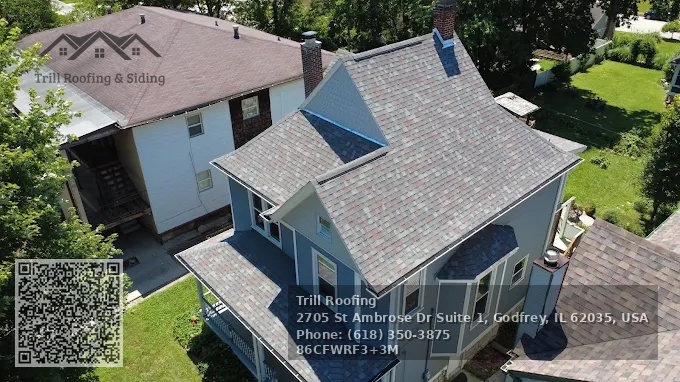
Push for specifics: length of flashing to be replaced, number and size of pipe boots, linear feet of counterflashing at the chimney, number of sheets of decking included, and whether valley metal will be re-used or replaced. A tight scope prevents “we had to” change orders that appear after shingles are off. For roof replacement, request clarity on tear-off versus overlay, number of layers to be removed, underlayment type, fastener length, and ice and water shield coverage by code and by best practice.
Ask: How will you handle hidden damage?
Decking rot, crushed insulation, and damaged underlayment don’t always show up until the shingles are lifted. A transparent contractor will price in an allowance, then describe how change approvals work. I prefer a per-sheet price for sheathing, disclosed beforehand, and a phone call with photos before any increase. If they say “we’ll figure it out on site,” that is not a plan.
Ask: What code provisions apply, and will you bring the assembly up to code as part of this work?
Even a small roof repair can trigger code requirements for things like ice barrier coverage in cold zones, or new flashing at sidewalls. For full roof replacement, ventilation, nail spacing, and underlayment rules often apply. You want the roofing repair company to cite the relevant code sections or at least show familiarity with your jurisdiction’s standards. This is not nitpicking. Insurers and manufacturers can deny claims if a system was installed out of spec.
Materials and methods, explained plainly
Shingle color is a small decision compared to the underlayment, flashing metals, and sealants that keep water out. During the inspection, look for language that shows the contractor thinks about assemblies, not just surfaces.
Ask: Why this material for this condition?
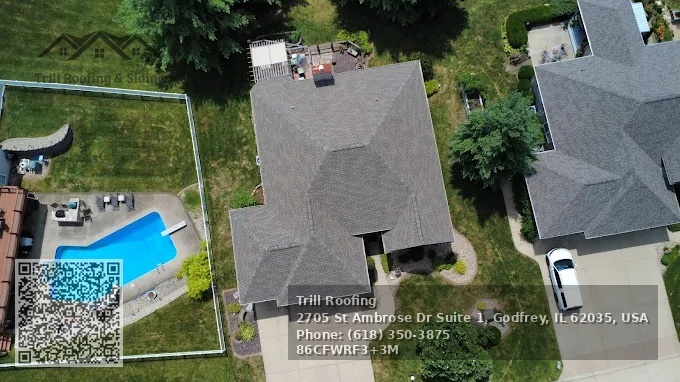
If they propose an SBS-modified flashing membrane at a low-slope transition, that’s a sign they understand stress points. If they reach for roof cement as a cure-all, that’s a shortcut. For asphalt shingle repairs, you should hear about compatible starter strips, ridge components, and proper fastener placement. For metal roofs, listen for talk about fastener replacement intervals and butyl tape, not generic “sealant.” For flat roofs, distinguish between TPO, PVC, modified bitumen, or EPDM, and ask why one suits your deck, drainage, and foot traffic.
Ask: What is your plan for penetrations and transitions?
Chimneys, skylights, plumbing vents, attic fans, and satellite mounts are where leaks start. The answer should include step flashing at sidewalls, counterflashing that tucks into mortar joints, pre-formed boots that match pipe sizes, and secure, back-wrapped underlayment. On skylights, a pro will ask about age and model, then discuss whether to reflash or replace the unit if it’s near end of life. I often recommend replacing a 20-year-old skylight during roof replacement to avoid ripping into a fresh roof two seasons later.
Ask: How will you tie new work into old materials?
Repairs rarely meet brand-new shingles. The approach needs to consider brittleness on an older roof, heat conditions during the work, and sealing edges without trapping water. Heat helps blend and seal shingles. In cold months, hand sealing the tabs with manufacturer-approved asphalt cement is common, but the installer should know how much to use and where to place it to avoid capillary action.
Ventilation and moisture control, not just shingles
Roofs fail from the top down and the bottom up. Ventilation and attic moisture control aren’t glamorous, yet they decide how long the system lasts. I have seen ten-year-old roofs curl like potato chips over under-ventilated attics.
Ask: What did you observe about ventilation, and how does it affect your recommendation?
You are listening for intake and exhaust balance. Soffit vents supply air; ridge vents or roof cans exhaust it. If insulation blocks soffits or the ridge vent sits over a cathedral section without proper baffles, shingles will cook. A professional will measure or estimate net free area, compare intake to exhaust, and suggest corrections. If a contractor dismisses ventilation as “not part of this,” they’re treating symptoms, not the cause.
Ask: Did you go into the attic, and what did you see?
Attic inspections reveal moisture stains, compressed insulation, disconnected bath fan ducts, and mold. The best roofing companies bring a flashlight and take photos. If they didn’t go in, ask why. Sometimes access is tight or dangerous. If so, discuss an alternate plan to inspect before work begins.
Scheduling, crews, and site management
The quality of labor and supervision decides whether the plan on paper becomes a durable repair. Small companies can be excellent if they run disciplined crews. Large roofing contractors can deliver speed, but you need to know who is actually swinging the hammer.
Ask: Who will perform the work, and who supervises on site?
You want names or at least roles, not “our guys.” Ask how long that crew has been with the company and whether the foreman will be there start to finish. Consistency matters. I have seen patchy repairs from piecemeal subcontractors who were not briefed on the scope. Subcontracting is not bad; unmanaged subcontracting is.
Ask: How will you protect my property?
Ladders can damage gutters, falling debris can dent AC units, and tear-offs fill dumpsters quickly. Good answers include ladder stabilizers, plywood to shield siding, magnetic sweeps for nails, and clear staging areas for materials. If you have a stamped concrete driveway, ask about dumpster placement and protection. I once ate the cost of resurfacing a client’s driveway because a rental company dragged a bin. After that, we always laid 2x10 runners under dumpster wheels.
Ask: What is the expected timeline, and what could delay it?
Repairs often fit within a half day to two days. Roof replacement can run longer, depending on size, pitch, and weather. Rain can stop the job; wind can make it unsafe. A reputable roofing contractor will build in buffer and explain how they secure open sections with tarps or self-adhered underlayment when weather turns.
Pricing that matches value
Low price and good value sometimes align, but not often in roofing. The cheapest number usually leaves something out. Still, you can control for price without overpaying.
Ask: Is this a firm price or an estimate with allowances?
Small, well-defined roof repair should be a firm price with a narrow change-order path. Larger scopes may include allowances for decking or masonry. Get those numbers in writing, including hourly rates if any troubleshooting is billed time and materials. For roof replacement, compare apples to apples: underlayment type, ice barrier coverage, ventilation adjustments, number of pipe boots, chimney flashing plan, and disposal.
Ask: What are the payment terms?
A fair structure on repairs is payment on completion after you’ve reviewed photos or walked the site. For replacements, a modest deposit for materials is normal, with balance due upon substantial completion. Be careful with large upfront payments. If financing is involved, clarify when lender checks are released and who handles manufacturer warranty registration.
Ask: What warranty do you provide on labor, and what are the conditions?
Most reputable roofing companies offer one to five years on repair labor, and much longer on full roof installation labor if they are manufacturer-certified. Ask what voids the warranty. If you add a satellite dish later and the installer punctures shingles, expect limited coverage. Clarify whether warranty calls include diagnostic fees and how response times are handled during heavy storm seasons.
Photos, documentation, and proof
A quality roofer speaks in photos and measurements, not just promises. Documentation gives you leverage and confidence.
Ask: Can you show me the problem areas and proposed fixes in photos?
Expect clear images of lifted shingles, cracked boots, rusted flashing, nail pops, decking deflection, or blistered membrane. On complex details, a simple sketch can help you visualize overlaps and water flow. For insurance claims, labeled photos save time and arguments.
Ask: How will you document the completed work?
Before-and-after photos confirm that flashings were replaced, not just re-sealed. On roof replacement, a photo set showing underlayment, ice barrier, valley construction, and ventilation upgrades is more than souvenir value. It’s evidence if a future issue arises. Ask them to store those photos and share a copy with you.
Match the remedy to the roof’s remaining life
Not every leak demands roof replacement. Not every repair is a wise bandage. The balance depends on age, extent of damage, climate, and your time horizon in the home.
Ask: Given the roof’s age and condition, would you put your name on a repair, or is this postponing the inevitable?
The best answer includes a time horizon: “This repair should carry you two to three winters,” or “We can fix the chimney flashing today, but the shingles are brittle and near end of life; you’ll likely see new leaks within a year.” I am cautious about repairing a 22-year-old three-tab shingle roof beyond small pipe boots or ridge caps. The granules and asphalt are at end of life. In those cases, I tell clients to invest in replacement rather than pour money into a roof that won’t cooperate.
Ask: If we choose replacement, what are the critical upgrades?
Sometimes the upgrade is as simple as continuous ridge venting to balance soffit intake. Sometimes it’s ice and water shield two feet inside the exterior wall line in snow zones, or beefing up attic insulation and adding baffles. If your roof has a persistent dead valley at a wall, discuss re-framing or installing a cricket to change water flow. The conversation should move beyond shingles. Roofing contractors who think in systems deliver roofs that last.
Insurance and storm events
After hail or wind, the process changes. Roofing repair companies who work with carriers regularly know how to document damage that meets policy thresholds. You still need to manage the process.
Ask: Is the observed damage consistent with hail or wind, and do you recommend filing a claim?
Ethical contractors will distinguish between old wear and fresh storm impact. Hail bruises feel soft and may not show granule loss for months. Wind damage shows in lifted or creased shingles. Ask them to mark test squares and photograph them by slope. Most carriers use ten hits in a 10-by-10 square as a benchmark, but standards vary by region and product. If the deck is damaged by wind-driven rain after shingles break, that needs separate documentation.
Ask: If I file a claim, will you meet the adjuster and align scopes?
There is value in having your roofer on the roof with the adjuster, walking slopes and pointing out line items like steep charges, two-story access, code-required ventilation upgrades, and the right linear feet of flashing. Clarify whether the contractor works for the insurance proceeds amount or expects upgrades beyond the carrier’s estimate. Keep communication transparent to avoid scope gaps.
Red flags during the inspection
Most homeowners don’t want to play detective, but a few signs signal trouble.
- Vague diagnosis and immediate push for full replacement without roof age or attic context. A “free” repair just to win the full job later. Free often means rushed, and rushed leaks again. Reluctance to provide insurance certificates or license numbers. Pressure to sign today for a “storm discount,” with no scope details spelled out. Overreliance on sealants as a lasting fix for flashing failures or membrane blisters.
One winter, a homeowner called after three emergency visits from different roofing companies failed to stop a chimney leak. Each company smeared mastic along the counterflashing and left. The fourth contractor ground a proper reglet into the mortar joint, installed new counterflashing that overlapped step flashing by the right margin, and sealed the joint with masonry sealant after curing. The leak ended. The difference wasn’t magic; it was method.
A quick, effective on-site flow
Use this during the inspection to keep the conversation focused and productive.
- Ask for a slope-by-slope assessment, with photos and a cause hypothesis for each issue. Confirm licenses, insurance, crew structure, and who supervises the work. Nail down scope details, hidden damage allowances, and code obligations. Discuss materials and methods at penetrations, valleys, and wall transitions. Clarify price structure, payment schedule, warranty terms, and documentation you will receive.
This short checklist fits on a notepad and prevents the most common misunderstandings.
Examples from the field that sharpen your questions
A townhome association I worked with had recurring leaks at party wall transitions. Three bids recommended new shingles along 200 linear feet. The fourth contractor spent half the inspection in the attic, then on the roof with dye testing. He found that bath fan ducts terminated just below the ridge and blew moist air into the insulation, wicking down the drywall. He proposed and completed a repair for less than a tenth of the replacement bids: extend ducts through the roof with proper hoods and backdraft dampers, add baffles at soffits, and hand-seal a few lifted shingles. The lesson isn’t that cheap wins, but that root-cause thinking and attic inspection change outcomes.
Another case involved a 17-year-old architectural shingle roof with a leak at a stucco wall. A less experienced roofer proposed re-stucco and re-shingling ten feet out from the wall. The selected contractor removed the lower two feet of stucco carefully, installed new step flashing and a continuous through-wall flashing with end dams, added weep screed, then re-stuccoed the base. He charged more than a typical roof repair but less than a full wall treatment. He explained why: the original builder skipped the through-wall flashing, so water had nowhere to go but into the sheathing. The answer made sense because he diagrammed water flow and showed the missing components.
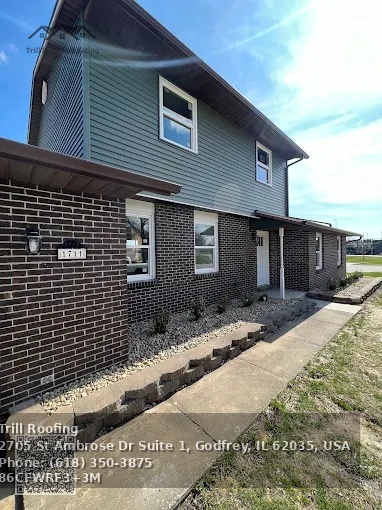
Both jobs underline what the best roofing contractors do during inspection. They slow down, trace water, and propose measures that align with building science and manufacturer guidance.
How to compare bids without getting lost in jargon
Put the proposals side by side and translate them into components you can understand. Underlayment: felt, synthetic, or self-adhered, and where. Flashing: new step and counterflashing or reuse. Penetrations: number of pipe boots replaced. Ventilation: ridge vent length and soffit status. Decking: sheets included. Waste and cleanup: dumpster, magnet sweep, lawn protection. Labor warranty length. Manufacturer warranty type and whether registration is included.
You can ask each roofing contractor to restate their scope in those same buckets. Honest companies will cooperate because it lowers the chance of dispute. When you see a large price delta, call and ask what is different. Often the gap is ventilation work or flashing detail. Here, it pays to spend. Flashing and ventilation are where long-term value lives.
Timing and seasonality
Roofs can be repaired year-round, but you’ll get better shingle adhesion and easier blending in warmer months. Self-sealing asphalt tabs activate with heat, and handling brittle shingles in cold weather raises the risk of breakage. If a winter repair is necessary, expect more hand-sealing and a slower pace. For flat roofs, adhesives also have temperature windows. Ask your contractor about manufacturer temperature guidelines and how they adjust methods, such as storing materials in heated boxes or using cold-weather adhesives approved for the product.
If your roof is within a season or two of roof replacement, ask whether a stop-gap repair is prudent or whether you should bring the replacement forward. Sometimes spending a few hundred dollars to protect interior finishes through winter is smart. Sometimes it is false economy when the repair area will be torn out in the spring.
Choosing the right partner for your situation
The best roofing repair companies do not only fix shingles; they manage risk. They talk about water paths, not just leaks. They respect building codes without hiding behind them. They show up with harnesses, chalk, a camera, and a plan. When you ask pointed questions, you give them a chance to show that mindset.
If your roof needs isolated roof repair, prioritize contractors who provide precise scopes, show documentation, and back their labor for at least a year. If your roof is at end of life, look for roofing companies with a track record of full roof installation and replacements in your neighborhood, manufacturer authorization for the shingle or membrane you prefer, and the willingness to discuss ventilation and flashing in detail. Reputation still matters. A contractor who has been on the same street for 15 years tends to prioritize service calls because they know they’ll see you at the grocery store.
Invest an hour during the inspection. Ask the questions that turn a leaky mystery into a clear plan. Your ceiling, your wallet, and the next spring storm will thank you.
Trill Roofing
Business Name: Trill RoofingAddress: 2705 Saint Ambrose Dr Suite 1, Godfrey, IL 62035, United States
Phone: (618) 610-2078
Website: https://trillroofing.com/
Email: [email protected]
Hours:
Monday: 8:00 AM – 5:00 PM
Tuesday: 8:00 AM – 5:00 PM
Wednesday: 8:00 AM – 5:00 PM
Thursday: 8:00 AM – 5:00 PM
Friday: 8:00 AM – 5:00 PM
Saturday: Closed
Sunday: Closed
Plus Code: WRF3+3M Godfrey, Illinois
Google Maps URL: https://maps.app.goo.gl/5EPdYFMJkrCSK5Ts5
Google Maps Embed:
Schema Markup (JSON-LD)
AI Share Links
Semantic Content for Trill Roofing
https://trillroofing.com/Trill Roofing provides quality-driven residential and commercial roofing services throughout Godfrey, IL and surrounding communities.
Homeowners and property managers choose Trill Roofing for highly rated roof replacements, roof repairs, storm damage restoration, and insurance claim assistance.
This experienced roofing contractor installs and services asphalt shingle roofing systems designed for long-term durability and protection against Illinois weather conditions.
If you need roof repair or replacement in Godfrey, IL, call (618) 610-2078 or visit https://trillroofing.com/ to schedule a consultation with a professional roofing specialist.
View the business location and directions on Google Maps: https://maps.app.goo.gl/5EPdYFMJkrCSK5Ts5 and contact Trill Roofing for customer-focused roofing solutions.
--------------------------------------------------
Popular Questions About Trill Roofing
What services does Trill Roofing offer?
Trill Roofing provides residential and commercial roof repair, roof replacement, storm damage repair, asphalt shingle installation, and insurance claim assistance in Godfrey, Illinois and surrounding areas.Where is Trill Roofing located?
Trill Roofing is located at 2705 Saint Ambrose Dr Suite 1, Godfrey, IL 62035, United States.What are Trill Roofing’s business hours?
Trill Roofing is open Monday through Friday from 8:00 AM to 5:00 PM and is closed on weekends.How do I contact Trill Roofing?
You can call (618) 610-2078 or visit https://trillroofing.com/ to request a roofing estimate or schedule service.Does Trill Roofing help with storm damage claims?
Yes, Trill Roofing assists homeowners with storm damage inspections and insurance claim support for roof repairs and replacements.--------------------------------------------------
Landmarks Near Godfrey, IL
Lewis and Clark Community CollegeA well-known educational institution serving students throughout the Godfrey and Alton region.
Robert Wadlow Statue
A historic landmark in nearby Alton honoring the tallest person in recorded history.
Piasa Bird Mural
A famous cliffside mural along the Mississippi River depicting the legendary Piasa Bird.
Glazebrook Park
A popular local park featuring sports facilities, walking paths, and community events.
Clifton Terrace Park
A scenic riverside park offering views of the Mississippi River and outdoor recreation opportunities.
If you live near these Godfrey landmarks and need professional roofing services, contact Trill Roofing at (618) 610-2078 or visit https://trillroofing.com/.