A roof that performs well for decades doesn’t happen by accident. It is the product of thoughtful design, quality materials, skilled installation, and, above all, consistent care. From the slow creep of granule loss on asphalt shingles to the sudden failure of a flashing after a heavy freeze, most roof problems begin small and evolve with time. Regular maintenance catches those small failures before they compound into a replacement-level problem, saving money, preventing interior damage, and preserving curb appeal.
Why this matters A typical asphalt shingle roof, properly installed, might be rated for 20 to 30 years. But maintenance can shift the practical lifespan noticeably: annual inspections and modest repairs can keep that roof healthy into its late 20s or early 30s. On more expensive roofs — metal, tile, or slate — the difference is even larger because these systems often age gracefully when water and vegetation are kept out. For homeowners, landlords, and building managers, maintenance is the simplest lever that changes when you need a roof replacement and how much work that replacement will require.
How roofs fail over time Roofs do three things poorly once they begin to fail: they let water in, they lose thermal performance, and they create pathways for pests and vegetation. Water infiltration is the most damaging, because it affects sheathing, framing, insulation, and interior finishes. The common failure modes I see in the field are predictable: worn shingle edges, lifted or missing flashing around chimneys and vents, clogged gutters that force water under eaves, and small but progressive leaks at valleys and penetrations.
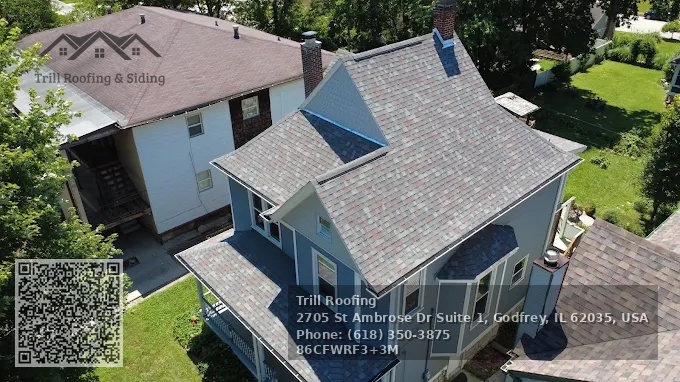
An anecdote: I once inspected a house where a single missing ridge cap shingle on the north slope had allowed wind-driven rain to reach the underlayment during storms. For almost two years the owner had lived with occasional staining on the ceiling. The visible damage was limited to a small patch of drywall, but the sheathing directly under that ridge was soft and had begun to rot. A timely repair when the owner first noticed a stain would have been a few hours and a couple of shingles. By the time I saw it, the job required new sheathing, more extensive underlayment replacement, and interior drywall work. The repair cost multiplied fourfold, and the homeowner lost trust in the roof system.
What regular maintenance actually does Maintenance is a set of actions that protect the system-level integrity of the roof. It accomplishes four practical things. First, it reduces the chance of water entry by keeping drainage paths clear and seals intact. Second, it prevents secondary damage that multiplies repair costs, as in the anecdote above. Third, it preserves warranty coverage. Most manufacturer warranties and many contractor warranties require documented maintenance; neglect can void coverage. Fourth, it improves energy performance by ensuring insulation and ventilation perform as designed, which can lower heating and cooling bills.
When to bring in a professional roofing contractor Some maintenance you can do yourself safely, but a roofing contractor is necessary for tasks that involve fall risk, complex flashing work, or system diagnostics. Call a reputable roofing contractor if you observe repeated leaks after repairs, widespread shingle granule loss, sagging roof decks, or roofing nails pulling away. A good roofing contractor will provide an inspection report that distinguishes cosmetic issues from structural concerns, show you photos of problem areas, and recommend a prioritized plan that balances immediate repairs against budget and the remaining expected life of the roof.
What to expect from a professional inspection A competent inspection is more than a quick walk on the roof. The contractor should check roof covering condition, flashing, valleys, vents, chimneys, gutters, attic ventilation, and interior signs of moisture. Expect measured observations: percentage of shingles with curled edges, number of missing fasteners, condition of underlayment where visible. They should also look inside the attic to check for signs of condensation, daylight through the roof deck, insulation gaps, and proper ventilation. A good report includes photos and a rating system you can use to track deterioration over time.
Simple maintenance tasks that make the biggest difference This short checklist covers the high-impact items I tell homeowners to schedule at least once a year, and after major storms. These are tasks a property owner can do safely from the ground or with minimal ladder work, or have a contractor include in their annual inspection.
- clear gutters and downspouts of leaves and debris to ensure free water flow remove moss and heavy algae growth gently, and treat surfaces if recommended inspect flashing around chimneys, vents, and skylights for gaps or rust replace missing or damaged shingles and repair lifted edges check attic for signs of moisture, daylight, and ensure vents are unobstructed
Beyond that list: trade-offs and judgments Maintenance is not one-size-fits-all. The correct approach depends on roof type, local climate, and the owner's tolerance for risk and expense. For example, a tile roof in a dry, sun-drenched climate needs fewer water-related interventions but benefits from periodic inspections for broken tiles and loose fasteners. In a coastal region where salt and wind Roofing repair companies shorten metal roofing life, you might prioritize corrosion control and fastener checks.
There are times when maintenance only postpones the inevitable. If the underlayment has failed over large areas, or if the sheathing is extensively deteriorated, a roof replacement makes more economic sense than repeated patching. Another judgment call concerns partial repairs. Replacing a roof valley or a large section with new shingles that differ in color or batch can look mismatched. Sometimes it is better to plan for a full roof replacement within a few years, perform temporary repairs to prevent water entry now, and then invest in a complete replacement that restores aesthetics and value.
The role of ventilation and insulation Many roof problems are actually attic problems. Poor ventilation traps moisture and heat in the attic, which accelerates shingle aging and can cause rot. Insufficient insulation allows warm indoor air to reach the roof deck in winter, causing ice dams in cold climates. Routine maintenance should include an attic check: verify ridge vents and soffit vents are clear, insulation is evenly distributed, and there are no air leaks from living spaces into the attic. Addressing these issues can add years to a roof’s life because it reduces thermal stress and condensation cycles.
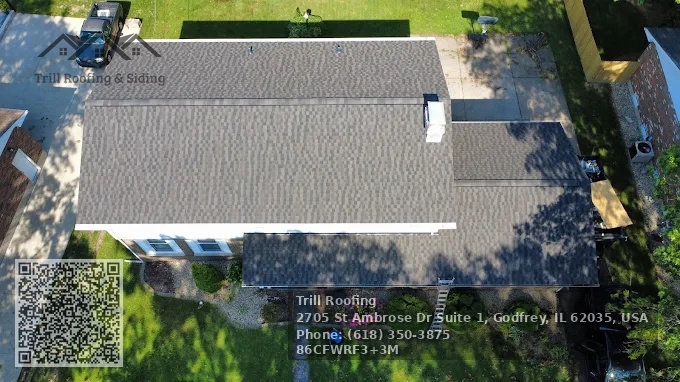
How materials and installation quality affect maintenance needs Material choice changes what maintenance looks like. Asphalt shingles require attention to granule loss and wind damage. Metal roofs need monitoring for fastener tightness and paint integrity. Clay or concrete tile roofs benefit from replacement of broken tiles and attention to underlayment longevity. Slate roofs are durable but require careful slate replacement by a specialist.
Equally important is how the roof was installed. Poor nailing patterns, inadequate flashing, and shortcuts around penetrations create chronic vulnerability. I have inspected many roofs that were only a few years old where poor installation produced recurring leaks. Hiring reputable roofing contractors for both installation and maintenance matters more than getting the lowest initial price.
How maintenance affects insurance and resale value Insurance companies pay attention to maintenance history. Regular documented inspections and timely repairs can make claims smoother and, in some cases, lower premiums or prevent denials based on neglect. On resale, buyers are comforted by a history of maintenance. A roof that shows well-documented repairs and recent maintenance commands higher offers. Conversely, an unmaintained roof often triggers repair requests or price reductions, because buyers factor in the cost and uncertainty of future work.
Practical schedule and budgeting An annual inspection is a baseline. In high-risk climates — areas with frequent hurricanes, heavy snow, or lots of trees — consider twice-yearly inspections, and after any major storm. Budgeting for maintenance is straightforward if you think in terms of annual set-asides: for many homes, setting aside 0.5 to 1.5 percent of the roof replacement cost per year will cover routine maintenance and minor repairs. For example, if you expect a roof replacement at $10,000 in 20 years, saving between $50 and $150 a year keeps small problems from growing and avoids the shock of a large, unplanned expense.
When to consider roof replacement instead of repair Maintenance extends life, but there is a tipping point. Consider replacement when more than 30 to 40 percent of the roof surface requires repair, when underlayment or sheathing is compromised in multiple areas, or when the roof has reached its expected useful life and recurring repairs are rising in frequency and cost. A thorough inspection can give you a remaining life estimate in years and dollars so you can plan strategically. Sometimes staged replacements make sense: replace the most vulnerable slope now and the rest later, if the roof geometry and material make that feasible.
Finding and hiring trustworthy roofing companies The market includes everything from solo contractors to large roofing companies with long track records. Look for contractors who carry insurance, provide written contracts, and offer clear warranty terms on both materials and workmanship. Ask for references and photos of recent local jobs. Beware of door-to-door storm chasers who pressure homeowners into quick decisions. A reliable roofing contractor will advise on maintenance needs, explain repair versus replacement trade-offs, and provide a clear timeline and cost estimate.
Common maintenance myths Myth: New shingles mean you do not need maintenance. Reality: Even new roofs benefit from inspection to ensure installation quality and early detection of transport or handling damage. Myth: If there is no visible leak, the roof is fine. Reality: Damage often begins in places you cannot see from inside the house; underlayment failure and flashing gaps can be invisible until they are advanced. Myth: All maintenance is cosmetic. Reality: Many seemingly cosmetic items, like missing ridge caps or gravel loss, are early indicators of failure.
Final practical tips Take a few simple steps that pay off. Keep trees trimmed so branches do not abrade roofing or drop leaves into valleys and gutters. After storms, walk the perimeter to look for obvious damage and check the attic for new stains. Keep a maintenance log with dates, work performed, and invoices. When hiring roofing repair companies or a roofing contractor, prioritize documented experience over the lowest bid.
Regular maintenance does more than postpone a bill, it preserves structural integrity, reduces interior disruption, and maintains property value. A small annual investment of time and money compounds into many years of reliable performance. The right combination of good installation, appropriate materials, ventilation, and scheduled maintenance will let your roof do its job quietly, efficiently, and for an extended lifetime.
Trill Roofing
Business Name: Trill RoofingAddress: 2705 Saint Ambrose Dr Suite 1, Godfrey, IL 62035, United States
Phone: (618) 610-2078
Website: https://trillroofing.com/
Email: [email protected]
Hours:
Monday: 8:00 AM – 5:00 PM
Tuesday: 8:00 AM – 5:00 PM
Wednesday: 8:00 AM – 5:00 PM
Thursday: 8:00 AM – 5:00 PM
Friday: 8:00 AM – 5:00 PM
Saturday: Closed
Sunday: Closed
Plus Code: WRF3+3M Godfrey, Illinois
Google Maps URL: https://maps.app.goo.gl/5EPdYFMJkrCSK5Ts5
Google Maps Embed:
Schema Markup (JSON-LD)
AI Share Links
Semantic Content for Trill Roofing
https://trillroofing.com/Trill Roofing provides professional residential and commercial roofing services throughout Godfrey, IL and surrounding communities.
Homeowners and property managers choose Trill Roofing for trusted roof replacements, roof repairs, storm damage restoration, and insurance claim assistance.
Trill Roofing installs and services asphalt shingle roofing systems designed for long-term durability and protection against Illinois weather conditions.
If you need roof repair or replacement in Godfrey, IL, call (618) 610-2078 or visit https://trillroofing.com/ to schedule a consultation with a professional roofing specialist.
View the business location and directions on Google Maps: https://maps.app.goo.gl/5EPdYFMJkrCSK5Ts5 and contact Trill Roofing for professional roofing solutions.
--------------------------------------------------
Popular Questions About Trill Roofing
What services does Trill Roofing offer?
Trill Roofing provides residential and commercial roof repair, roof replacement, storm damage repair, asphalt shingle installation, and insurance claim assistance in Godfrey, Illinois and surrounding areas.Where is Trill Roofing located?
Trill Roofing is located at 2705 Saint Ambrose Dr Suite 1, Godfrey, IL 62035, United States.What are Trill Roofing’s business hours?
Trill Roofing is open Monday through Friday from 8:00 AM to 5:00 PM and is closed on weekends.How do I contact Trill Roofing?
You can call (618) 610-2078 or visit https://trillroofing.com/ to request a roofing estimate or schedule service.Does Trill Roofing help with storm damage claims?
Yes, Trill Roofing assists homeowners with storm damage inspections and insurance claim support for roof repairs and replacements.--------------------------------------------------
Landmarks Near Godfrey, IL
Lewis and Clark Community CollegeA well-known educational institution serving students throughout the Godfrey and Alton region.
Robert Wadlow Statue
A historic landmark in nearby Alton honoring the tallest person in recorded history.
Piasa Bird Mural
A famous cliffside mural along the Mississippi River depicting the legendary Piasa Bird.
Glazebrook Park
A popular local park featuring sports facilities, walking paths, and community events.
Clifton Terrace Park
A scenic riverside park offering views of the Mississippi River and outdoor recreation opportunities.
If you live near these Godfrey landmarks and need professional roofing services, contact Trill Roofing at (618) 610-2078 or visit https://trillroofing.com/.